
Worldwide
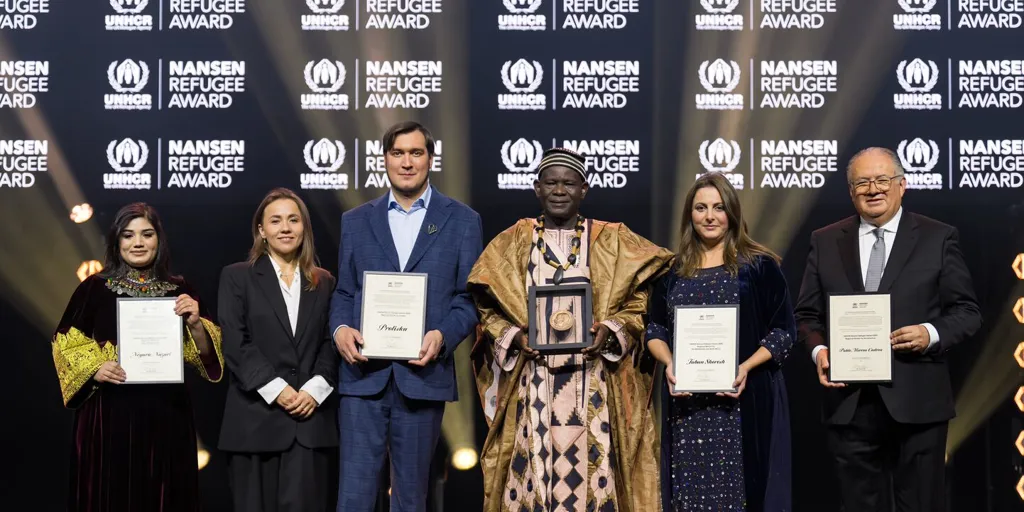
2025 UNHCR Nansen Refugee Awards: Celebrating humanitarian leadership
A Cameroonian village chief is among those honoured for outstanding courage and compassion for refugees.

Safeguarding refugees from coronavirus
People in more than 100 countries are now affected by the COVID-19 pandemic. For those forced to flee their homes by persecution, conflict and disaster, and already dealing with the toughest circumstances imaginable, the stakes are high.
As the virus spreads across Australia and around the world, the weeks and months to come will be full of questions and challenges for all of us – and it’s becoming clear this could be one of the greatest tests we've ever been set.
There are no reported cases of COVID-19 infections among refugees and asylum seekers so far but we know the tough conditions they face make them more vulnerable to the effects of the disease than people in better conditions.
This is far from academic – there are currently 34 countries, hosting a total of 688,000 refugees, that are reporting local transmission of COVID-19.
Although refugees have the same risk of contracting and transmitting the virus as anyone else, most live in low to middle-income countries, with weaker health, water and sanitation systems.
They are often housed in densely populated settlements or crowded urban shelters and may not be able to get hygiene items or medical support.
Refugees may not speak the language of the country in which they are living, so getting materials in appropriate languages and suitable for varied literacy levels can be an additional challenge.
Our frontline teams in refugee settlements and urban settings are working hard to make sure people forced to flee their homes are as well protected as anyone else – before, during and after this global health emergency.
A Cameroonian village chief is among those honoured for outstanding courage and compassion for refugees.
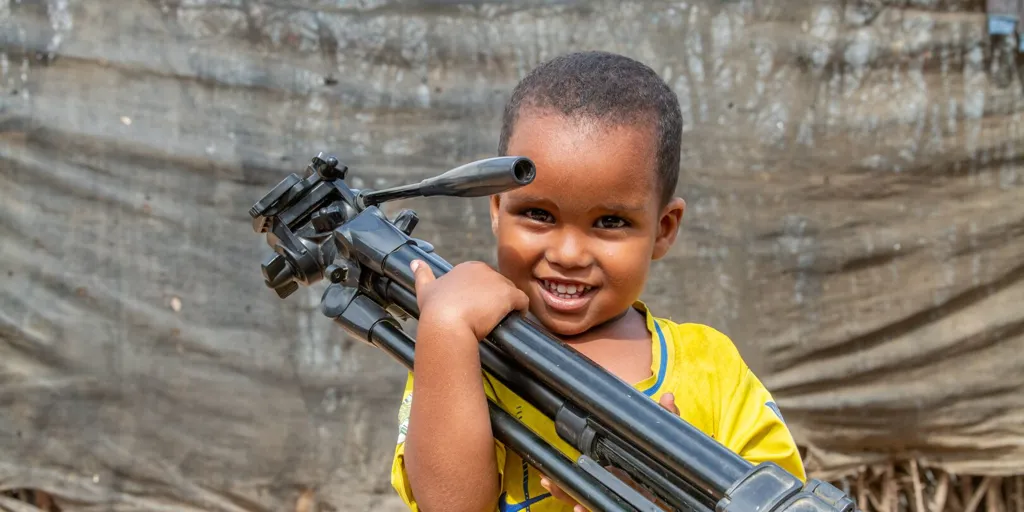
These films explore how the loss of home impacts people forced to flee, encouraging empathy and deeper understanding.
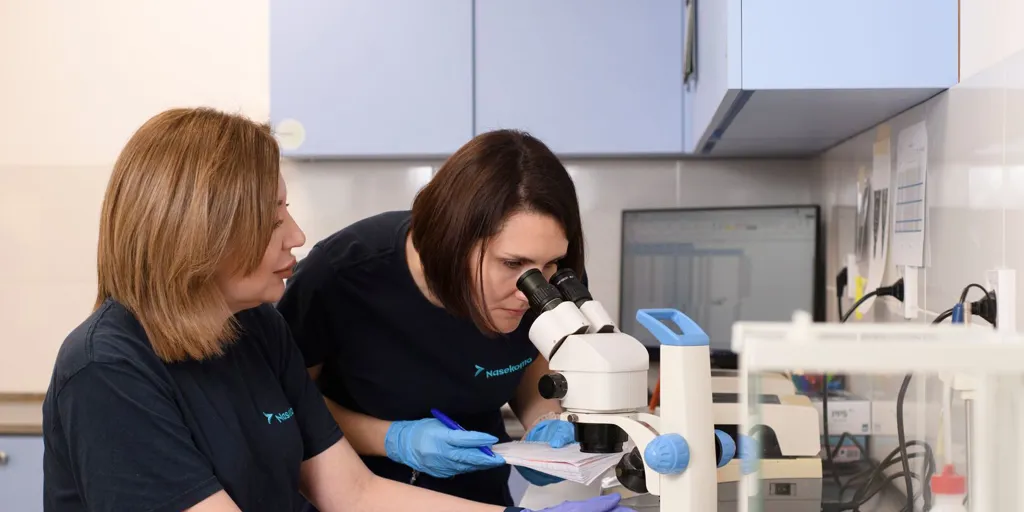
On International Day of Women and Girls in Science, read inspirational stories of displaced women and girls building careers across STEM fields.

The majority of funds raised by Australia for UNHCR are directed to UNHCR’s emergency operations, providing the ready funds and resources to respond quickly and effectively in situations of crisis and disaster.