
Worldwide
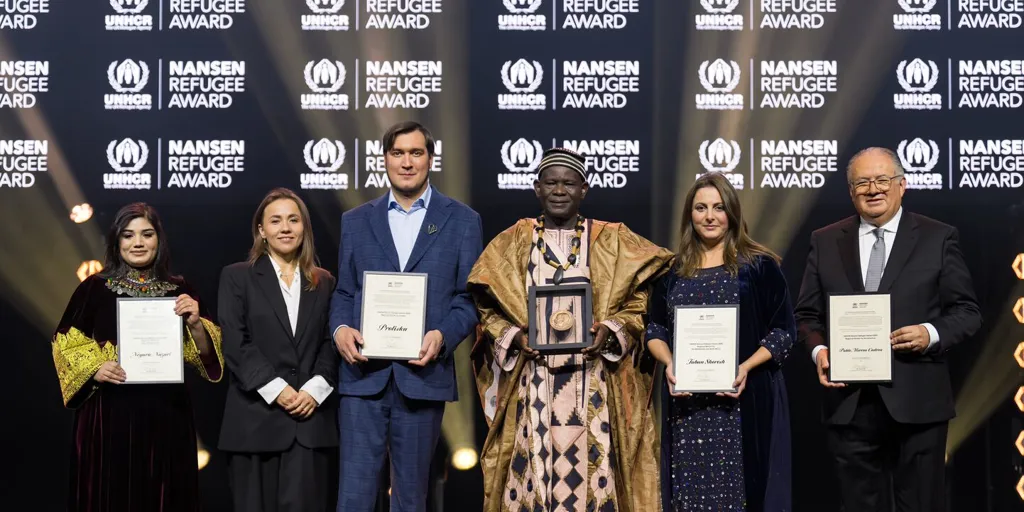
2025 UNHCR Nansen Refugee Awards: Celebrating humanitarian leadership
A Cameroonian village chief is among those honoured for outstanding courage and compassion for refugees.
The refugees fighting COVID-19
The coronavirus pandemic is still sweeping the globe, and although people who have been displaced are particularly vulnerable to all health threats – including the virus – many are taking the lead to help others through this public health emergency.
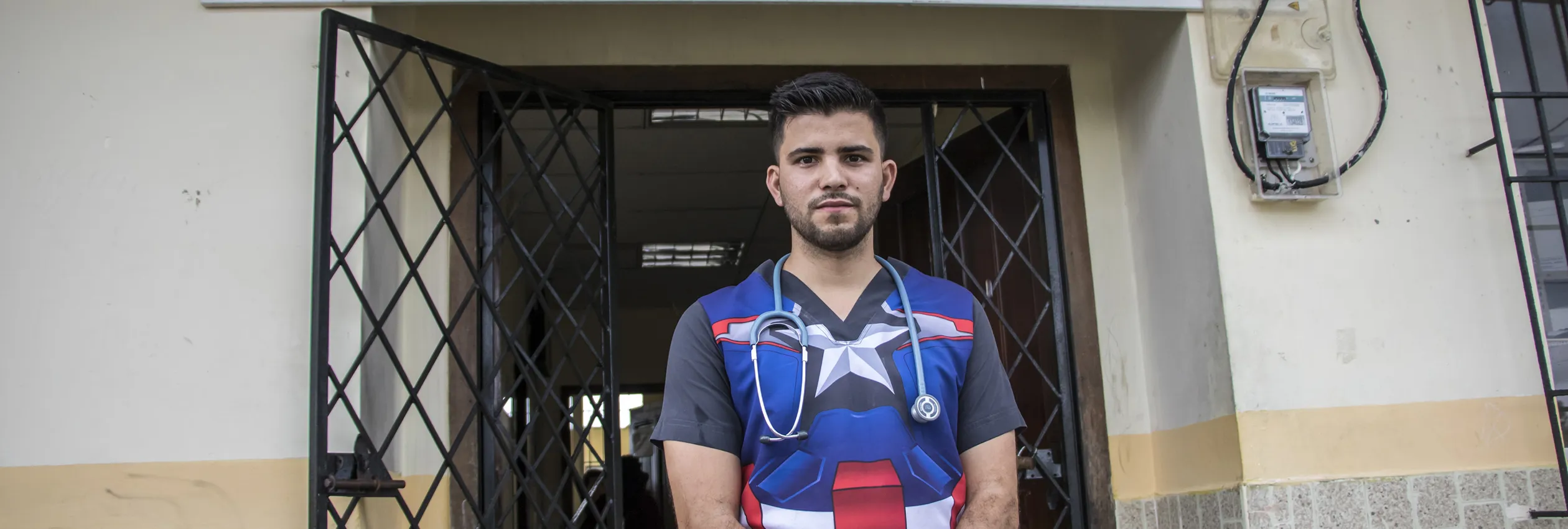
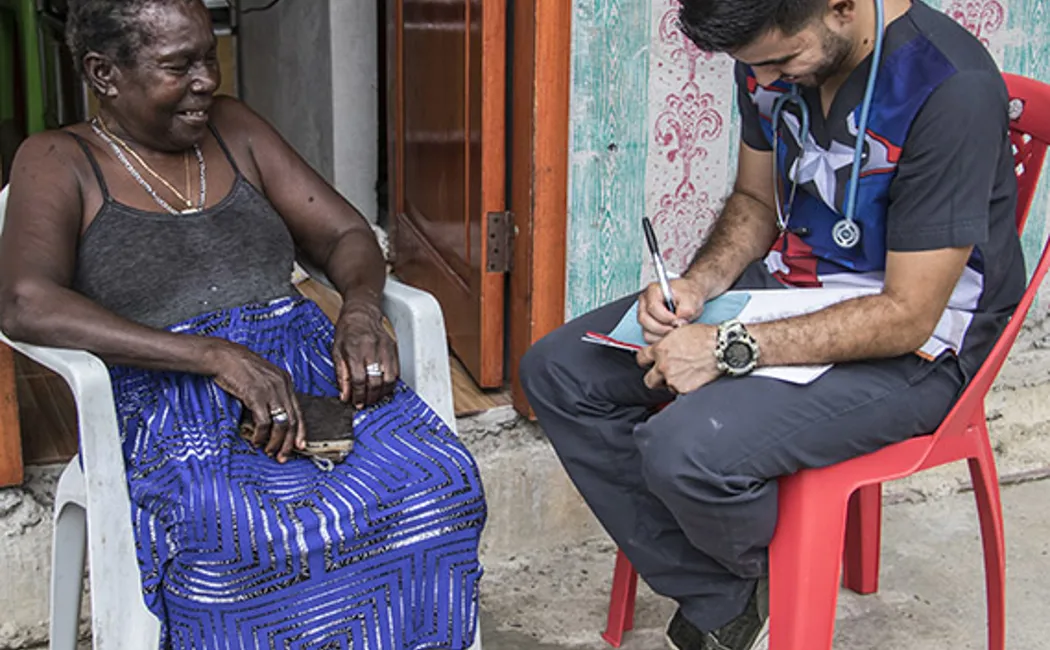
In Ecuador, doctor and former Venezuelan refugee Samuel Suárez is providing advice to elderly people in remote parts of the country on how to avoid COVID-19 infection.
He travels on foot around the tiny town of San Francisco, educating the community about the hygiene measures and social distancing they can employ to protect themselves.
In the Syrian capital Damascus, refugees from many countries, including Iraq, have come together to assist the most vulnerable in the refugee community, particularly the elderly. They go door-to-door, bringing vital assistance such as sanitation items and food. This means the people most at risk do not need to leave their homes and can stay safe. They observe stringent hygiene measures to protect those they visit.
Meanwhile, in Nashville, Tennessee, a refugee-run healthcare clinic tests and treats patients for COVID-19. It is one of the few clinics to stay open during the pandemic, providing affordable care. Nurse Faiza Rahshid fled Iraq with her family as a child and spent years in a refugee camp. She says the happiest day of her life was when she was told she could go back to school in the US.
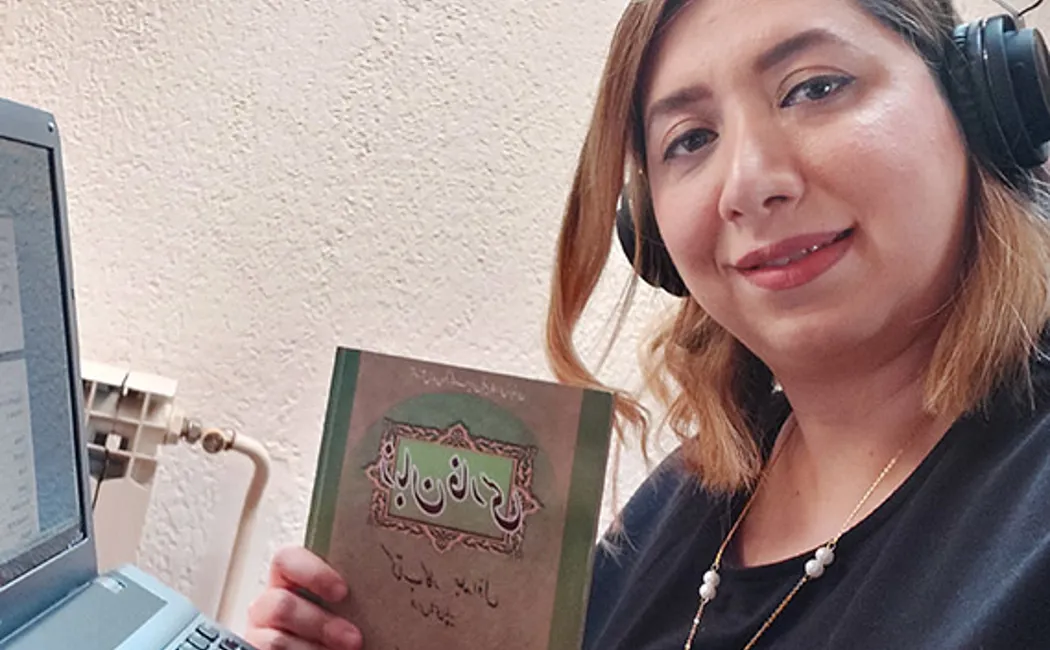
Afsaneh, an Iranian refugee living in Serbia, has found a way to help people isolating at home to develop new skills and maintain social connection. She is conducting online Farsi lessons, which provide a way for her students to teach their native languages to others, helping refugees reconnect with their culture even though they're far from home. This project is the brainchild of counsellors at the Psychosocial Innovation Network (PIN), a charity and partner of UNHCR, the UN Refugee Agency.
Refugees like Samuel, Faiza, and Afsaneh are just some of the brave people worldwide using their skills and compassion to support others and prevent the spread of COVID-19 in this global emergency.
A Cameroonian village chief is among those honoured for outstanding courage and compassion for refugees.
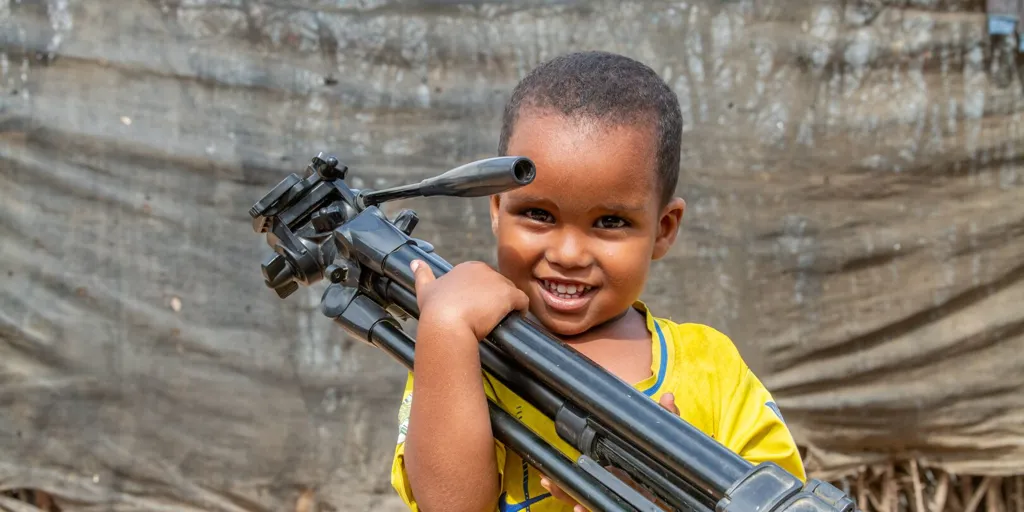
These films explore how the loss of home impacts people forced to flee, encouraging empathy and deeper understanding.
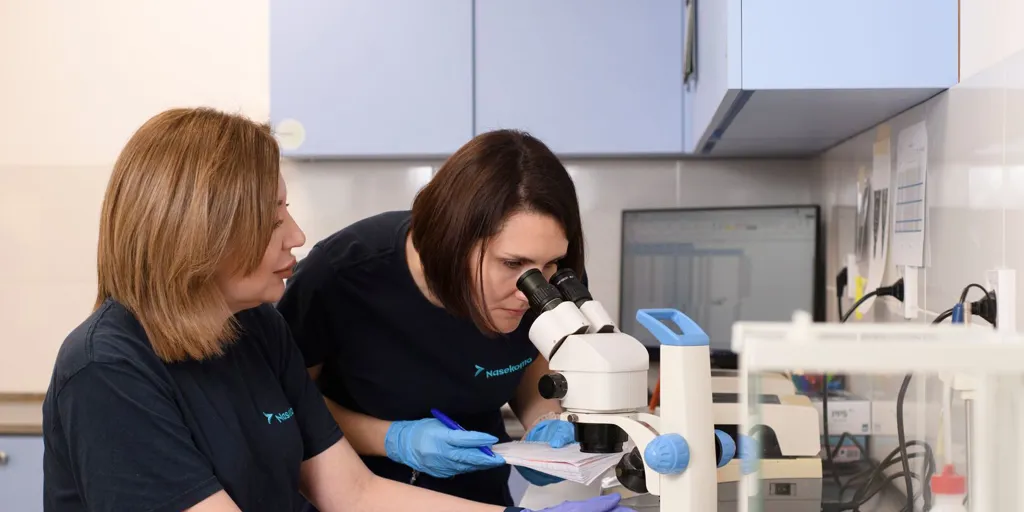
On International Day of Women and Girls in Science, read inspirational stories of displaced women and girls building careers across STEM fields.

The majority of funds raised by Australia for UNHCR are directed to UNHCR’s emergency operations, providing the ready funds and resources to respond quickly and effectively in situations of crisis and disaster.