
Jordan
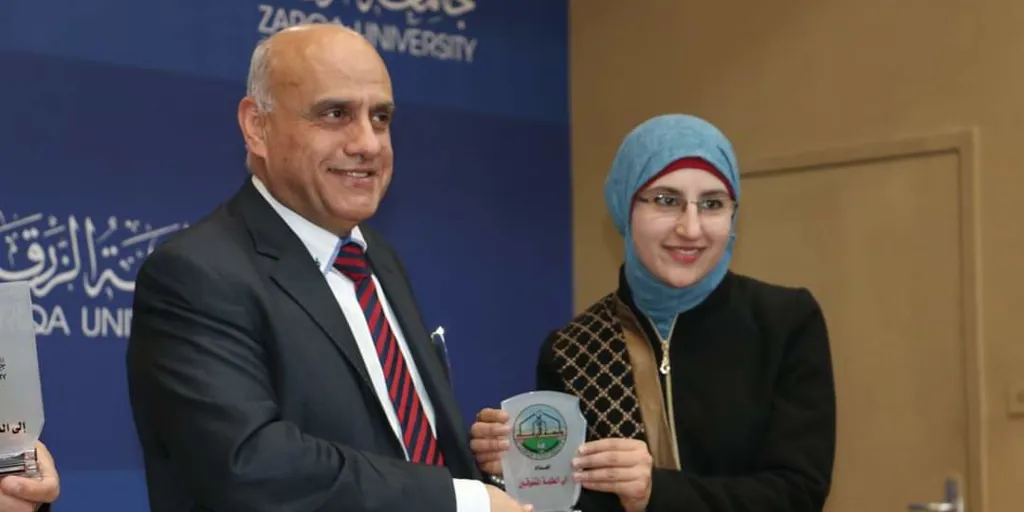
Meet the refugee journalist working to change lives
As a Syrian woman living in Jordan’s Zaatari camp, Alaa Alqasem knows better than most the challenges refugees face
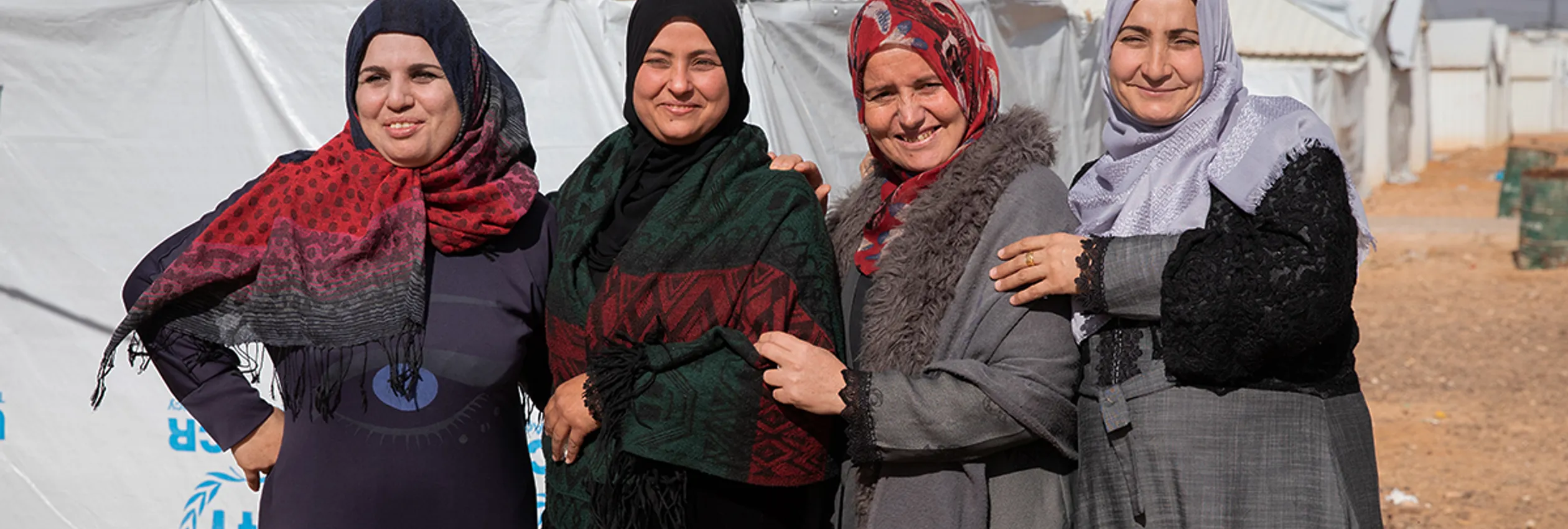
Australia for UNHCR’s Leading Women Fund is seeking support from Australian women to support 134 Syrian refugee women in Jordan achieve financial security and independence.
When we launched the Leading Women Fund in June 2020, our aim was to provide Australian donors the chance to support and connect with refugee women from around the world.
Donations for the first project go directly to Syrian refugee women who are currently living in Jordan and in a position where they are the sole heads of their households, responsible for providing for their families.
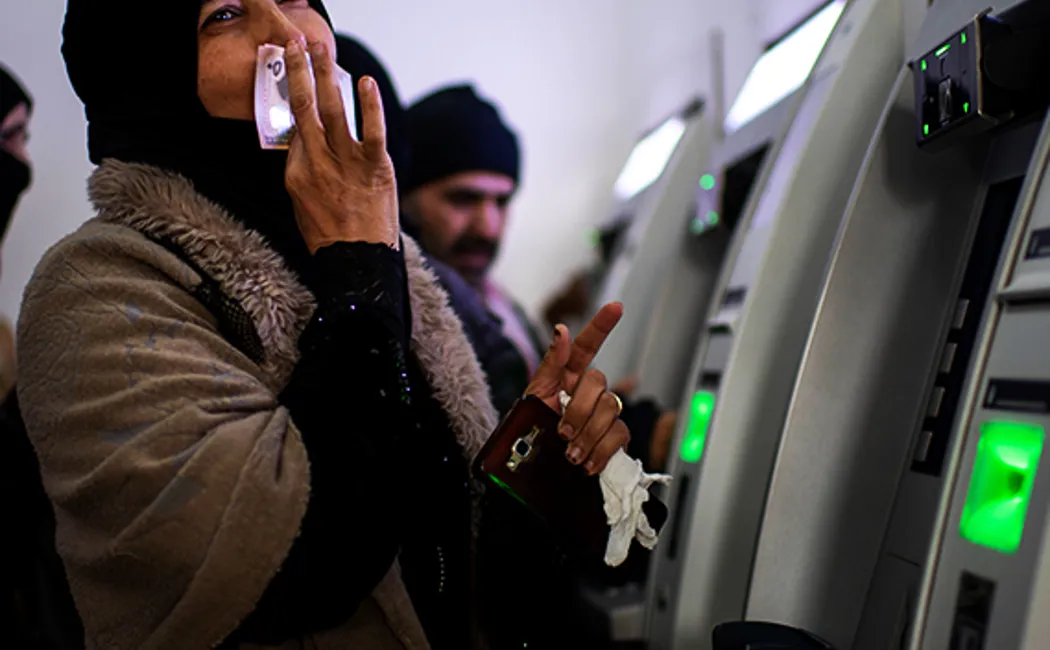
Members of the fund donate $230 every four weeks, which directly supports Syrian women in the form of cash assistance, empowering them to allocate funds according to their family’s needs.
Only 5 per cent of refugee work permits in Jordan are given to women, making it very difficult for them to find work in order to support their families, pay rent and keep food on the table.
The first trial of the Connecting Worlds app took place in October 2020 and offered the first intake of donors the chance to communicate directly with Syrian refugee women. For one month, the women shared stories about their lives, swapped recipes and sent photos via the app.
“What I came away with was a glimpse into the harsh reality beyond the moment [refugees] flee – what happens the moment they land as refugees,” said Leading Women Fund member Kim Graham-Nye, reflecting on the long-term challenges refugee women face as sole providers.
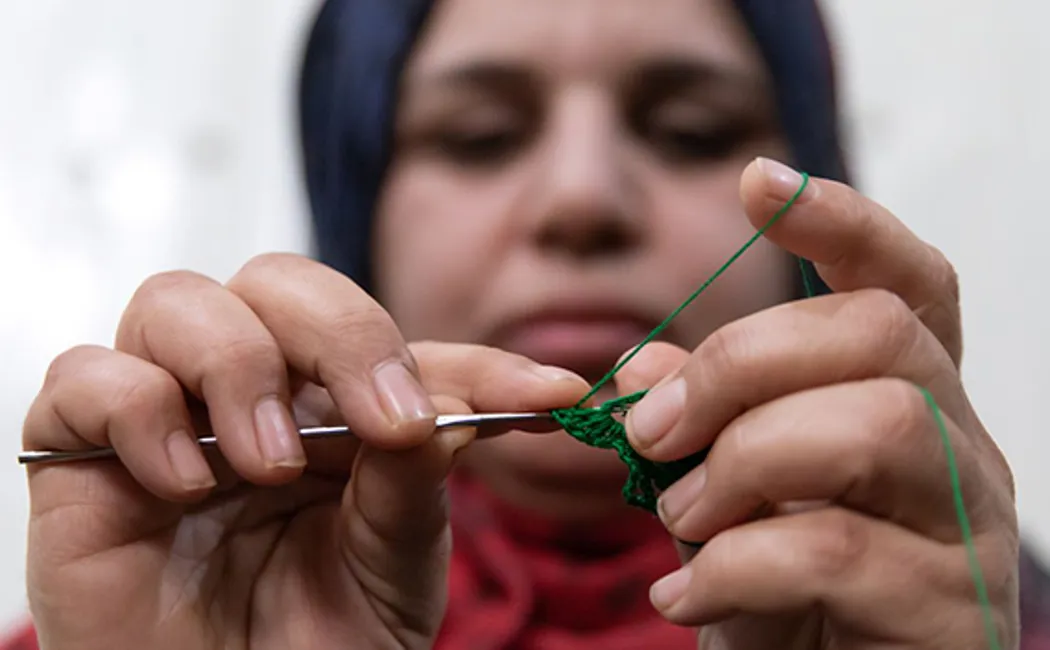
The Fund’s next initiative will provide refugee women with the skills to build financial resilience in the long term. Australia for UNHCR is seeking 134 Australian women to support 134 Syrian refugee women to participate in a new financial training program launched by UNHCR Jordan and local partners.
The innovative micro-business incubator will be rolled out in Jordan over eight weeks. The micro-business training will centre on developing businesses that are both local and digitally focussed.
Participants will receive training in feasibility assessment, marketing, sales, financial management and networking, as well as ongoing mentor support. In addition, 100 participants will receive $JOD1000 [$AUD1,820] in seed funding to put their ideas into action.
“The overwhelming statistics and compelling evidence regarding how finances are handled between men and women had my immediate attention,” says Leading Women Fund member Penny Del Castillo, Director of In Design International.
When women achieve financial independence, they also achieve safety and a renewed sense of confidence and self-esteem.
You have until 30 June to help fund this program. Please see here for more information.
As a Syrian woman living in Jordan’s Zaatari camp, Alaa Alqasem knows better than most the challenges refugees face
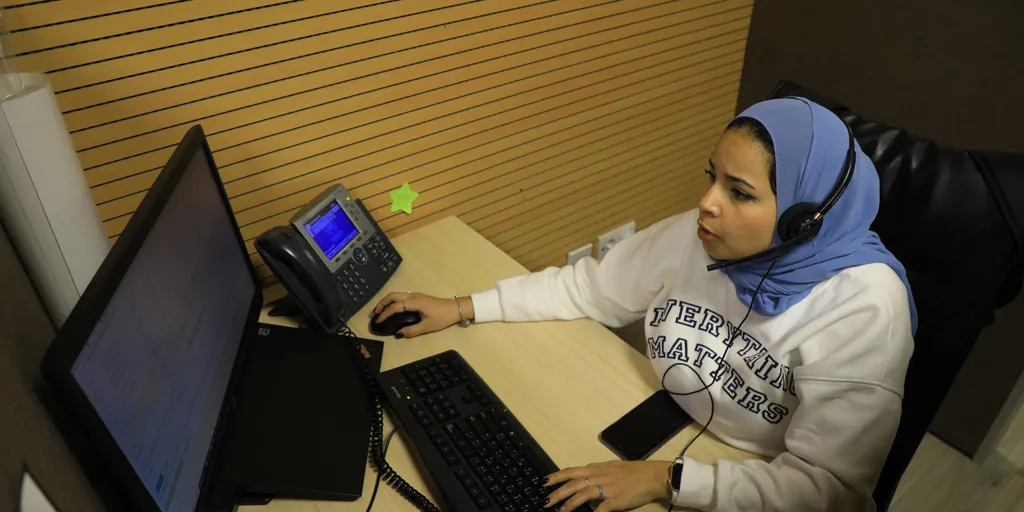
This UNHCR-led initiative provides essential advice and support
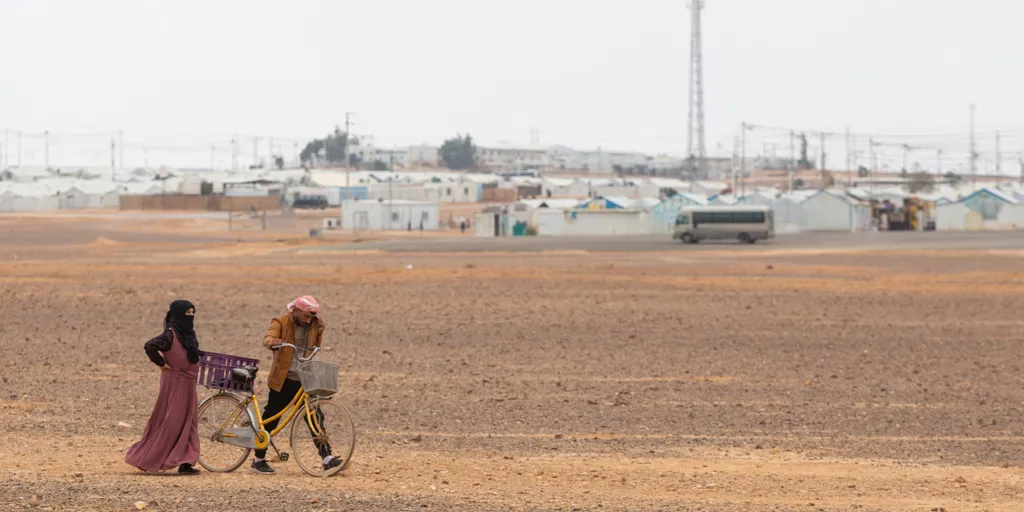
Preventing child marriage involves helping girls to understand their rights

The majority of funds raised by Australia for UNHCR are directed to UNHCR’s emergency operations, providing the ready funds and resources to respond quickly and effectively in situations of crisis and disaster.