
Thanks to incredible support for the Refugee Zakat Fund, UNHCR has reached refugees and displaced people in Afghanistan, Bangladesh, Egypt, India, Indonesia, Iraq, Jordan, Lebanon, Malaysia, Mauritania, Morocco, Nigeria, Pakistan, the Rohingya people, Syria and Yemen.
How your Zakat helps refugees
Zakat is primarily distributed as cash assistance, which ensures families can prioritise and meet their immediate needs, whether that is food, rent, medicine or school supplies. This also means that thousands of refugees who are restricted from working in host countries avoid facing severe hardship, while being empowered to manage their own finances.
“Every day, I speak to displaced families who depend on UNHCR’s cash assistance to get through the month,” says Asma, a UNHCR staff member in Amman, Jordan.
“Without this financial support, many would face eviction or be unable to afford even a basic iftar. I hear the relief in their voices when they receive the assistance – it is truly precious.”
Vulnerable families are often headed by women, who face cultural, legal and childcare obstacles when looking for work. Providing refugee families with cash assistance prevents those most in need from having to resort to desperate survival strategies such as pulling children out of school or child labour.
Finally, cash assistance benefits the local economy, as refugees become customers at local shops and markets. This also helps build social connections between refugees and host communities.
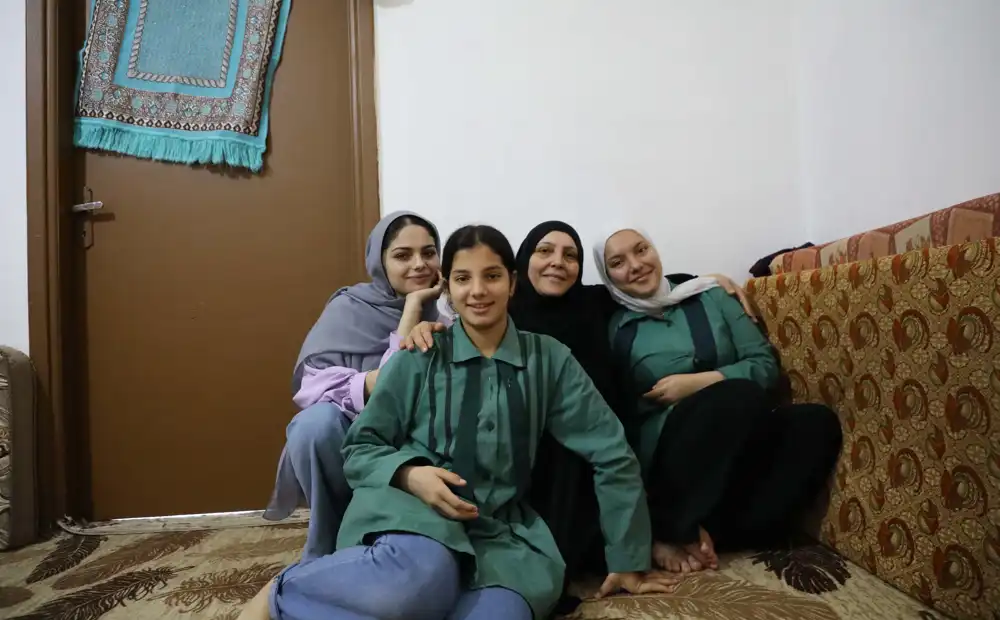
Hakima
Hakima, 50, is a widow and mother of six living in Bamyan – one of the highest and coldest parts of the country. Living with ongoing illness, Hakima is unable to work. Her eldest son works at a local market to support the family, earning just $1 a day, sometimes less.
“It’s been six years since my husband passed away,” says Hakima. “We’ve faced many difficulties. My eldest child can’t go to school, as he is the breadwinner of our family.”
Hakima and her family live in an old, deteriorating home that offers little protection from the harsh weather elements.
“Our main problem is this house,” says Hakima. “The walls are collapsing. When it rains or snows, we leave the house, so it doesn’t collapse on us.”
Hakima’s other main concerns are feeding her family and keeping everyone healthy.
“We eat whatever we find, like potatoes or porridge,” she says. Sometimes we have food, and sometimes we don’t. Some days, the children go to school hungry. Sometimes they stay home because they are sick.”
Your Zakat is helping mothers like Hakima afford food, medicine and charcoal to keep their families safe, healthy and warm during Bamyan’s harsh winters.
“I used the cash assistance from UNHCR to pay for my mother-in-law's medical treatment when she was sick,” says Hakima. “We had no food at home, so I also bought cooking oil and flour. The money helped a lot. We are very grateful.”

Khaled
After bravely fleeing war in Syria, Khaled and his wife now find themselves sharing a tent in Jordan with their six daughters. Three of their daughters have disabilities and are often unwell. Khaled is driven to find work but, even on a good day, may only earn $12.
When money is scarce, he skips meals so he can afford food and medicine for his children.
“Providing for my daughters is a huge responsibility,” he says. “I force myself to be strong – go hungry, eat whatever is available. We adults can bear it, but the girls can’t.”
With help from compassionate supporters, UNHCR provides Khaled and his family with regular cash assistance to pay for essentials.
“Without that support, we wouldn’t survive,” says Khaled. “It helps us get through the month. We thank God and those who give. May they be rewarded for their kindness.”

Balqees
After nearly a decade of conflict, 20 million people in Yemen are rely on humanitarian assistance to survive. Balqees and her family are among those in urgent need.
Displaced by the conflict and caring for a sick husband, Balqees is now the sole provider for her family. Despite her efforts, each day is a struggle to meet her children’s most basic needs.
“We are constantly suffering from hunger, grief and illness,” says Balqees.
“Sometimes I earn enough money to feed my children. Other times I end up crying because I have nothing to feed them,” she says.
On days when food is scarce, Balqees says the family often has little more than tea and dry fish. When they cannot afford food, they stay at home and do their best to get through the day.
Your Zakat can help families like Balqees’s afford essential items including warm meals, clothing and medicine, during the most challenging times.
“If we stop receiving the Zakat, we will not be able to feed ourselves during these hard times,” she says.
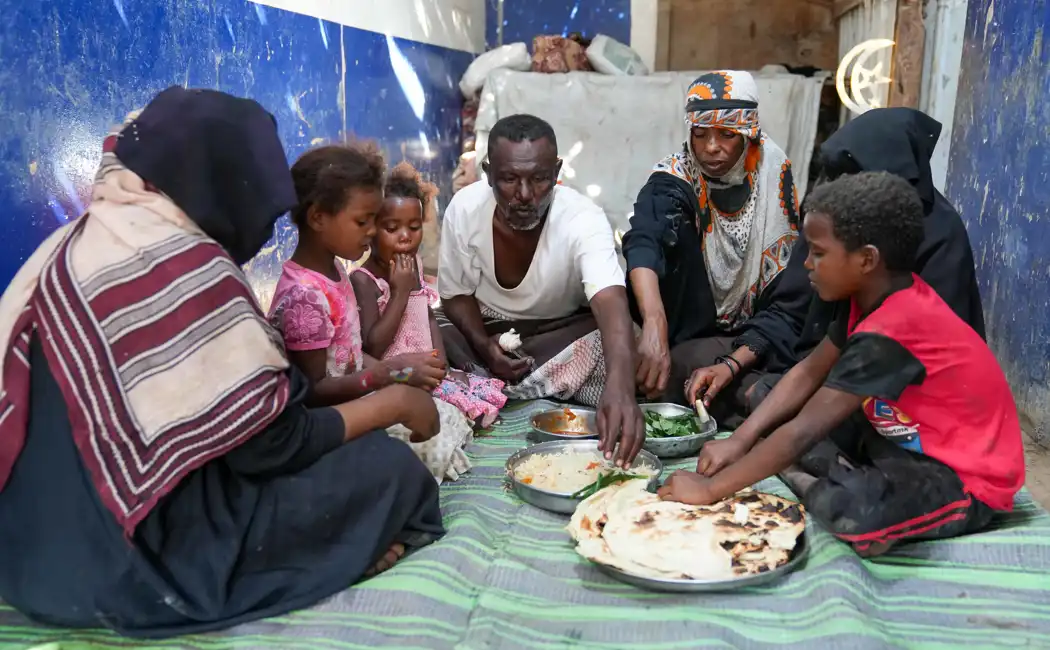
Please donate your Zakat today. Your generosity can make a meaningful difference and provide families forced to flee with emergency supplies and cash assistance to pay for essentials such as rent, food and medicine.

Zakat fundraising commitment
100% of Zakat donations are distributed to refugees and displaced people, in accordance with the Islamic principle of Zakat. Your Zakat contributions will not be used to cover administrative costs. Read more about the impact of Zakat in UNHCR’s Islamic Philanthropy Annual Report 2025.