

Australia
Well-known Australian refugees who have made a difference
From the arts to sport, here’s how well-known Australians with refugee background have shaped society through resilience, talent and leadership.
 Australia
Al Hassan Toure was born in a refugee settlement in Guinea. Today, he and his younger brother Mohamed are first-class footballers, having both played for the Socceroos.
Al Hassan took time out from his training program at Sydney Football Club (FC) to talk to Australia for UNHCR.
In November 2025, Sydney FC winger Al Hassan Toure experienced a career high. The 25-year-old scored his first professional hat trick. Six days later, still basking in the glow of his performance against the Newcastle Jets, he received a call to join the Socceroos, Australia’s national team.
“It was a great feeling,” says Al Hassan. “Every kid wants to play for the Socceroos and it’s always been one of my dreams. When I got the call, it was very unexpected.”
Al Hassan was part of the squad selected to play international friendlies against Venezuela and Colombia. The news was even sweeter knowing he would be playing alongside his brother Mohamed.
The Toure brothers formerly played together at Adelaide United. When asked what he learned from his brother, Al Hassan points to Mohamed’s mentality – his belief in his own strength and potential, as well as his ability to remain focused.
“I know his strengths and he knows my strengths, so we have good chemistry on the pitch,” says Al Hassan.
And what has Mohamed learned from Al Hassan?
“I’ve taught him to always be humble and to be family oriented.”
It’s a philosophy that comes straight from their father, Amara, who was just 14 years old when he was forced to flee his home in the west African nation of Liberia.
“Obviously, there’s a war going on so there are guns everywhere, the army fighting with other people, so it was a very scary time,” says Al Hassan, relaying what he’s learned from his father.
“You can’t rest, your mind is always on what’s going to happen next cause you don’t know if you’re going to get caught by the rebels, or someone’s going to come save you. You never know so you have to stay alert. Mentally that’s hard on someone.”
Amara walked for two weeks to reach Guinea where he lived in a refugee settlement run by UNHCR. Al Hassan was born in that settlement.
With support from UNHCR, the Toures eventually received humanitarian visas. Al Hassan was four years old when his family resettled in Adelaide. A talented footballer himself, Amara soon signed up his young sons to play.
The South Australian city has a rich history of producing first class footballers from refugee backgrounds. In addition to the Toure brothers – Al Hassan, Mohamed and their younger brother, Musa – Adelaide was also home to exceptionally talented players like Nestory Irankunda, Thomas Deng and Awer Mabil.
“Everyone knows each other,” says Al Hassan. “We grew up playing on the streets together. We would go to the park and everyone’s there. That improved our skills. At a young age all we knew was football.”

Al Hassan says his parents get emotional watching their sons playing football. He believes it’s related to the struggles they went through as refugees; the dreams they didn’t have the opportunity to pursue.
“It’s like I’m living my dad’s dream even though he couldn’t live it for himself cause of everything he went through. Us living and playing football and now playing in the national team, he gets very happy when he sees that and, obviously, we want to do more in our careers to make him even more happy. But no matter what, our parents will always be proud of us.”
Al Hassan is conscious that most refugees will never have the opportunities he’s been given. He feels deeply honoured when he meets young people in the community who aspire to be a footballer like him. He believes it’s important to be a leader and an example for the younger generation. “I feel like I can be the symbol of hope,” he says.
When young people look up to Al Hassan, it reminds him of what he was like as a boy. “I think that’s how I felt when I was younger and I saw some of the older boys like Awer Mabil and Teeboy Kamara. They all started playing in the A-League and I said, ‘I want to be like them because they come from a similar background’.”
Al Hassan attributes his professional success entirely to his family. He says he wants to do more in his career to make them proud.
“Just to have a family that supports and loves you, it gives you motivation to go out there and play every day. I think that’s the most important thing.”

From refugee children living in camps, to professionals like the Toure brothers – football is a powerful tool for connection and belonging.
You can watch the Socceroos, including a number of players from refugee backgrounds, compete in the World Cup this year. Australia’s campaign kicks off against Türkiye on Saturday 13 June local time in Vancouver.
From the arts to sport, here’s how well-known Australians with refugee background have shaped society through resilience, talent and leadership.
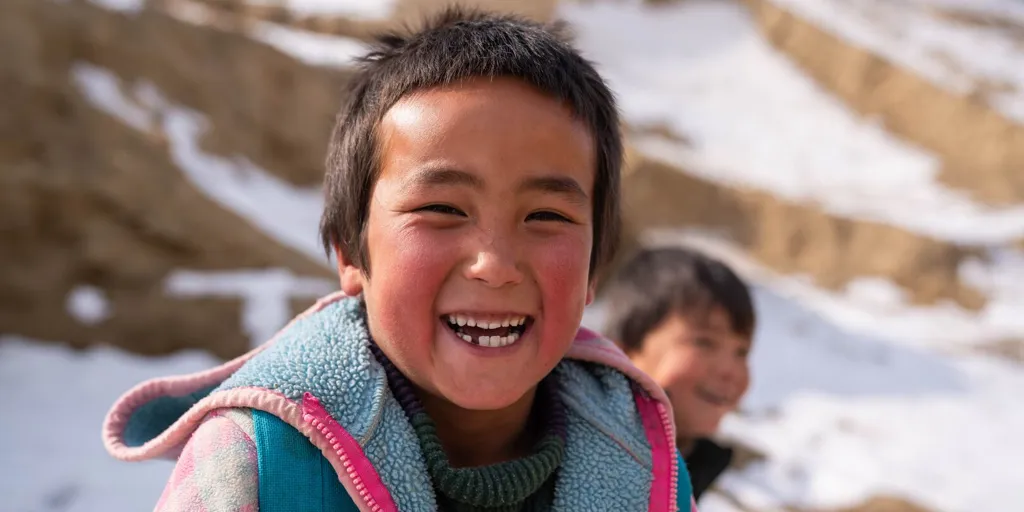
We hope you enjoy these stories of creativity, resilience and achievement, celebrating the people and moments that inspired us this year.
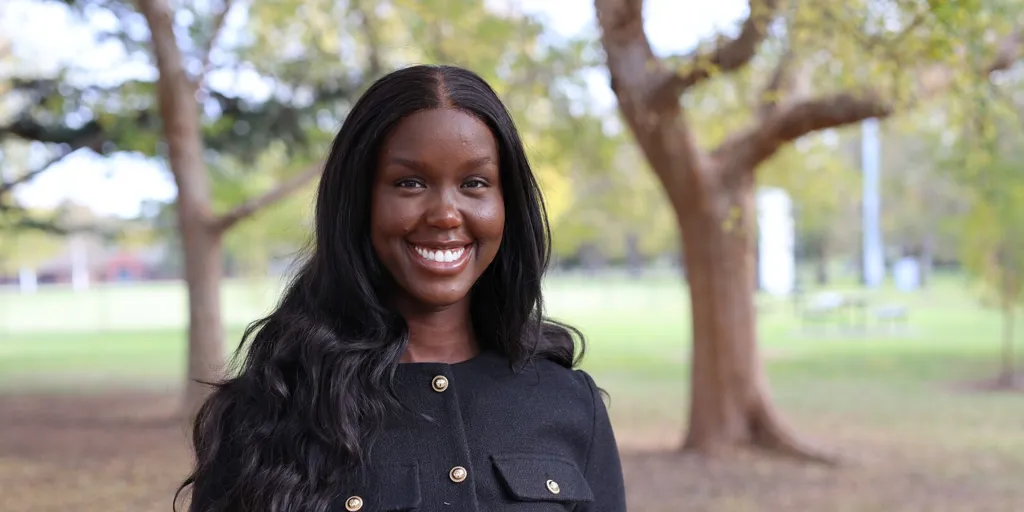
Meet the South Sudanese-Australian building a life full of achievement and hope.

The majority of funds raised by Australia for UNHCR are directed to UNHCR’s emergency operations, providing the ready funds and resources to respond quickly and effectively in situations of crisis and disaster.