
©UNHCR/Charity Nzomo

Worldwide
Five ways UNHCR supports refugee health and wellbeing
From clean water to mental health support, see how UNHCR is helping to save lives and keep refugees healthy.
 Worldwide
COVID-19 is continuing to spread around the world with more than 180 million cases worldwide.
COVID-19 is continuing to spread around the world. As of July 2021, more than 180 million people worldwide have been confirmed to have contracted COVID-19 and around four million lives have been lost. While some countries have commenced their vaccination roll-outs, refugees and the displaced continue to remain at risk of exclusion.
To tackle this global pandemic, a global response is required and this needs to include the millions of refugees and displaced people around the world.
To ensure no one is left behind, UNHCR is monitoring the inclusion of refugees and asylum seekers in COVID-19 vaccination plans and roll-out in 162 countries.
Of the 126 countries with a refugee population of more than 500 people, 123 have either explicitly included refugees in their vaccination plans or provided assurances that they will do so, and this is also the case for asylum-seekers in 93 out of 96 countries. In 91 of the 162 countries monitored, refugees and asylum seekers have begun receiving COVID-19 vaccinations.
“Around the world, we have seen an unwavering commitment to not leave refugees behind in COVID-19 vaccination planning,” said Dr Ann Burton, Chief of UNHCR’s Public Health Section and an Australian.
“But barriers to vaccination persist. Stronger efforts are needed to ensure that States’ assurances for refugee inclusion turn into tangible reality,” said Dr Burton.
“As long as the pandemic remains out of control somewhere, it is threat for everyone everywhere.”
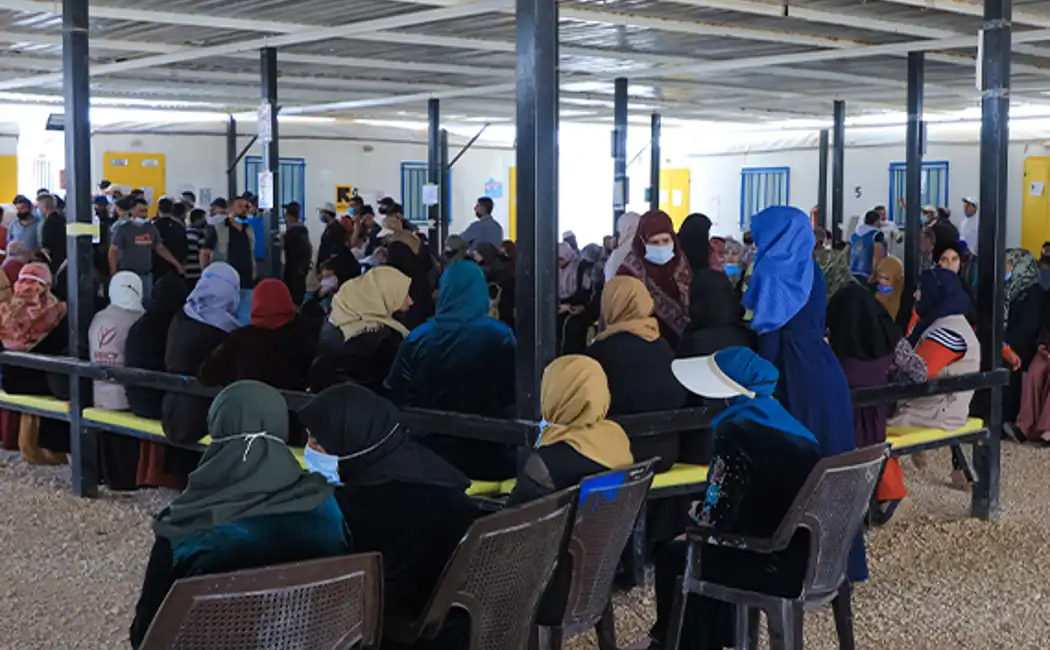
There are several obstacles preventing refugees from getting vaccinated, including vaccination clinics located too far, the cost of vaccination services, and language barriers that prevent refugees from accessing reliable information about vaccines and how to get vaccinated.
To overcome these obstacles and to ensure refugees have access to reliable information, UNHCR and partners are working with refugee communities to communicate, inform and educate them of the importance of getting vaccinated and how, where and when to access the vaccines.
While UNHCR is not procuring vaccinations – as this remains the prerogative and responsibility of governments – it is supporting refugee host countries through other COVID-preparedness and response interventions. Among these are critical health, sanitation, hygiene and logistical support as well as personal protective equipment.
Jordan was one of the world’s first countries to start COVID-19 vaccinations for refugees, including vaccinations in Za’atari refugee camp in February.
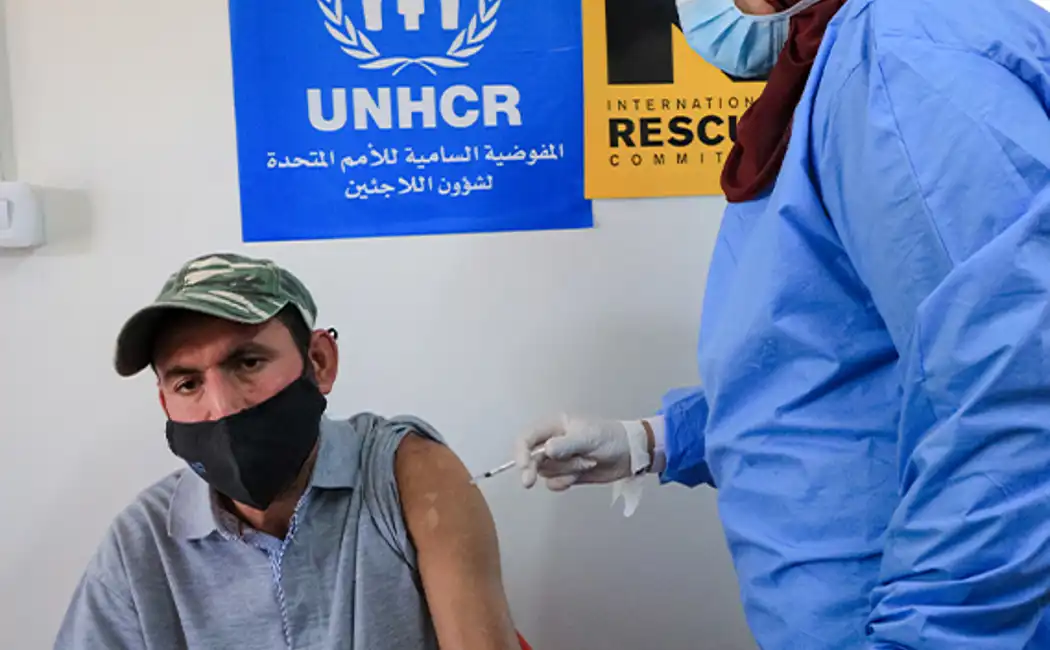
In April 2021, the Jordanian Ministry of Health opened a second COVID-19 vaccination clinic in Za’atari Camp in response to the fact that the number of refugees registered to take the vaccine increased. As of mid-May 2021, over 5,000 refugees living in Za’atari camp have received the vaccine.
The Ministry of Health is the entity in Jordan leading on the vaccination campaign and administering the vaccines, while UNHCR has been supporting with the logistics and spreading the word about the vaccine among refugees.
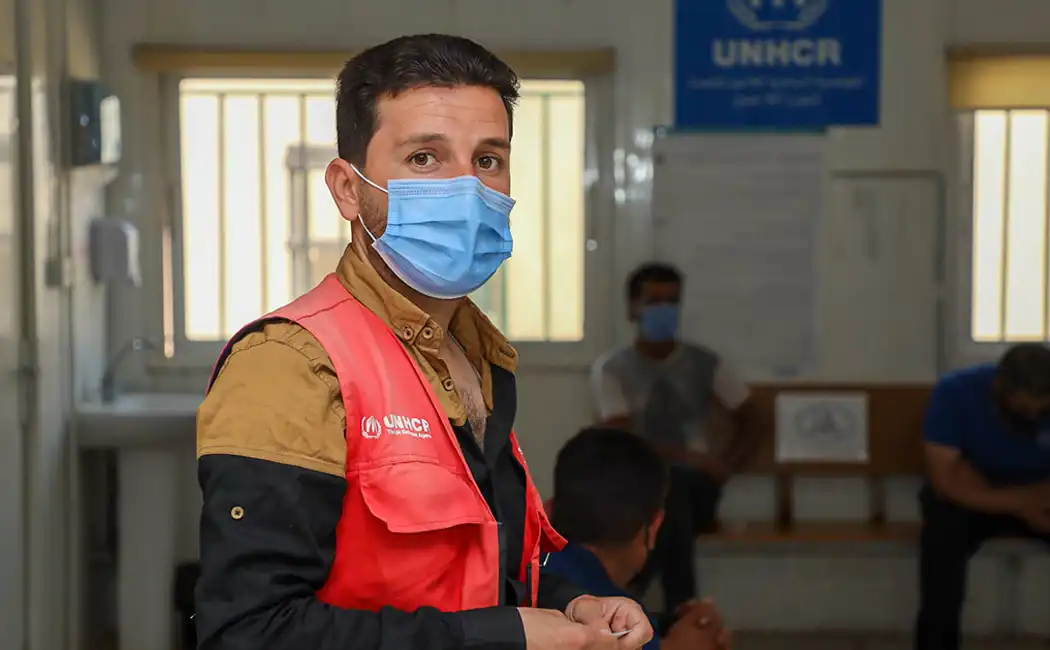
Sameeh, 32, a health volunteer for Save the Children, one of UNHCR’s health partners in Za’atari says that much of his work has involved challenging false information circulating on social networks.
“People here are in general scared about the vaccine. There are a lot of rumours and worries about side effects. My job is to provide them with the correct information,” he said.
“I would say that once I speak to people, the majority end up registering for the vaccine. Having a conversation is important.”
While we have the tools to bring this pandemic under control, we need a collective and equitable approach. As we know, none of us are safe, until all of us are safe and equal access to vaccines is key in keeping us all safe.
Your support will help us play a vital role in combating the spread of COVID-19 among displaced people worldwide.
From clean water to mental health support, see how UNHCR is helping to save lives and keep refugees healthy.
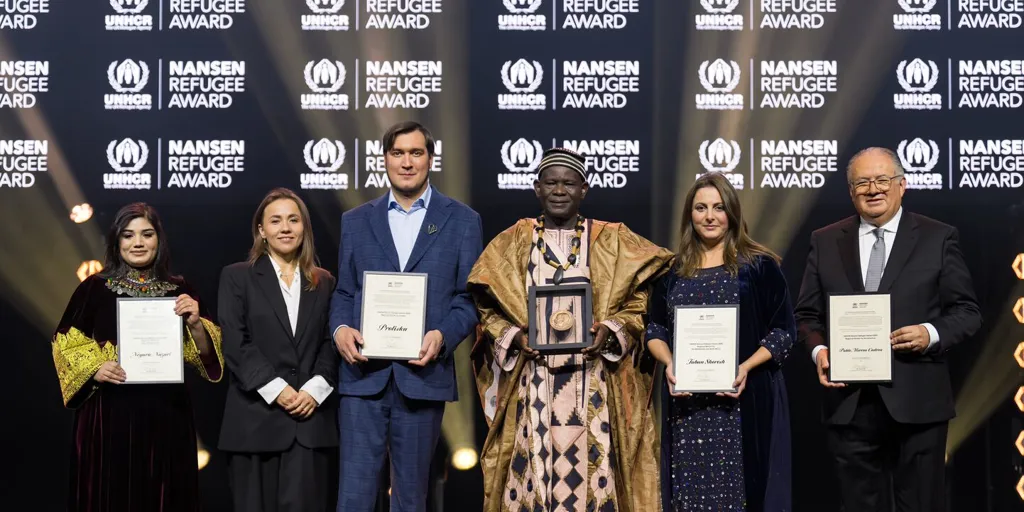
A Cameroonian village chief is among those honoured for outstanding courage and compassion for refugees.
These films explore how the loss of home impacts people forced to flee, encouraging empathy and deeper understanding.

The majority of funds raised by Australia for UNHCR are directed to UNHCR’s emergency operations, providing the ready funds and resources to respond quickly and effectively in situations of crisis and disaster.